



Previous Story
Kratom – Understanding Its Addictive Potential
Posted On 06 May 2026
Comment: Off
5/6/2026 By Jane Jackson, RN, CRC BHealthyRN
Kratom has become one of the most talked‑about herbal substances in the United States. Marketed as a “natural” product that can boost energy, improve mood, or help people feel more relaxed, it’s easy to see why so many individuals try it without realizing what they’re getting into. As an RN with decades of experience in healthcare, I’ve seen firsthand how quickly kratom can shift from casual use to daily dependence — and how difficult it can be for people to stop once their bodies adapt to it.
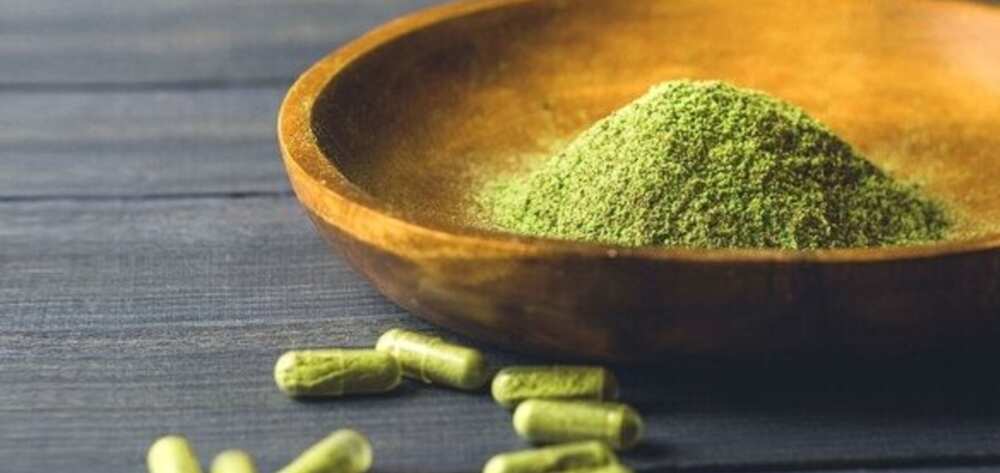
Kratom comes from the leaves of the Mitragyna speciosa tree, native to Southeast Asia. In its traditional cultural context, it was used sparingly by laborers who needed to stay alert during long workdays. But the way kratom is used in the U.S. today is very different. Here, it’s often taken in concentrated powders, capsules, or extracts that deliver far higher doses than the plant was ever intended to provide.
The key reason kratom can become addictive lies in how it interacts with the brain. Kratom’s active compounds — primarily mitragynine and 7‑hydroxymitragynine — bind to the same receptors that respond to opioids. While kratom is not classified as an opioid, its effects on these receptors can create a similar pattern of tolerance, dependence, and withdrawal. Many people start with a small dose and quickly find they need more to achieve the same effect. Over time, the body adapts, and stopping suddenly can lead to uncomfortable symptoms.
People often describe kratom withdrawal as a mix of physical and emotional discomfort. Some report restlessness, muscle aches, irritability, anxiety, or trouble sleeping. Others experience digestive upset, sweating, or a sense of unease that makes it difficult to function without taking more. These symptoms can drive a cycle of repeated use, even when someone wants to cut back.
One of the challenges with kratom is that it’s widely available and often marketed as a safe, natural supplement. It’s sold in gas stations, smoke shops, and online stores with labels that emphasize energy, focus, or relaxation. But the packaging rarely explains how strong the product is or how quickly tolerance can develop. Many people assume that because it’s an herb, it must be harmless. Unfortunately, that assumption can lead to long‑term dependence before they realize what’s happening.
Another concern is the lack of standardization. Kratom products vary widely in potency, purity, and formulation. Two capsules from different brands can have completely different strengths. Some products contain concentrated extracts that are far more powerful than traditional leaf powder. Without consistent dosing, people may unintentionally take more than they intended, increasing the risk of dependence.
It’s also important to recognize that many individuals turn to kratom because they’re trying to cope with something — stress, chronic discomfort, low energy, or emotional strain. Kratom may seem like a quick solution, but over time, it can create a new problem layered on top of the original one. When someone becomes dependent, stopping can feel overwhelming, especially without support.
Families often see the impact before the person using kratom does. They may notice changes in mood, sleep patterns, or daily functioning. They may see someone taking larger and larger amounts — sometimes dozens of capsules a day — to feel “normal.” These patterns are not signs of weakness; they’re signs of a substance that has real physiological effects on the brain.
Education is one of the most powerful tools we have. People deserve clear, honest information about what kratom is and how it works. They deserve to know that dependence is possible, that withdrawal can be uncomfortable, and that the risk increases with higher doses and long‑term use. They also deserve compassion, because many individuals who struggle with kratom never intended to become dependent in the first place.
If someone wants to reduce or stop kratom, they need to speak with a qualified healthcare professional who can help them navigate the process safely. Support, guidance, and a gradual approach can make a meaningful difference. No one should feel ashamed for needing help — dependence is a physiological response, not a personal failure.
Kratom is often marketed as a harmless herbal remedy, but its effects on the brain tell a different story. Understanding its addictive potential empowers people to make informed decisions and seek support when needed. As an RN, my goal is to provide clear, compassionate education so individuals and families can recognize the signs of dependence early and take steps toward safer, healthier choices.
Note: Articles on BHealthyRN.com are to inform about medical conditions, non-prescription dietary supplements, and other health-related topics. There is no guarantee of positive outcomes. Always consult your healthcare provider.
Jane Jackson, RN, CRC – 30+ year healthcare professional with experience in the hospital setting, outpatient setting, pharmacy data validation audits, and medical risk adjustment coding. Living peacefully with my best friend/husband on the Texas Gulf Coast – enjoying writing, crocheting, and fishing.