



Previous Story
Ten Surprising Benefits of Psyllium
Posted On 02 May 2026
Comment: Off
May 2, 2026 Jane Jackson, RN, CRC BHealthyRN
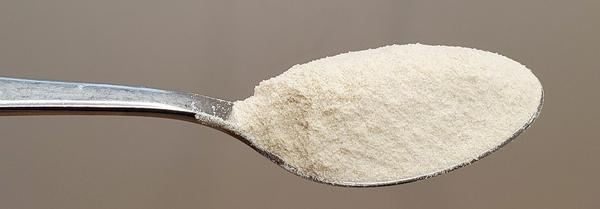
Psyllium is a grain utilized for its fiber content – used to support regularity. Surprisingly, the term psyllium was searched 201,000 times in April 2026 according to Wordstream. It is the most popular fiber used today.
Ten benefits of psyllium include:
- Facilitates fiber absorption
- Acts as a stool softener
- Functions as a laxative
- Cleanses the intestine
- Balances good vs “bad” digestive bacteria
- Controls appetite
- Manages hormone levels
With its gastrointestinal benefits, psyllium can help support weight-management efforts. Dieters who intermittently fast use psyllium mixed with water to increase their fiber intake to stave off hunger. When combined with water, psyllium turns into a gel, and when consumed, it turns into a gel to fill the stomach, creating the sensation of fullness. Low-carb dieters choose psyllium because it can be used instead of breadcrumbs in many recipes – such as meatloaf or meatballs. Gluten-free eaters like it as a more budget-friendly alternative to almond flour.
Another benefit of psyllium is supporting the delicate balance of good and bad digestive bacteria in our digestive tract. Nearly 80% of consumers are estimated to need the right balance of digestive bacteria to process fiber from their diet.
Examples of good digestive bacteria include
- Bifidobacterium
- Lactobacillus
- Plantarum
Examples of “bad” digestive bacteria include
- Clostridioides difficile
- Salmonella enterica
- Escherichia coli
Without a healthy balance, “bad” bacteria can multiply and increase the processing of sugar and carbs – leaving us lacking in fiber and protein. Digesting the more accessible foods over the more complex foods causes weight gain.
Fiber from whole grains is difficult to digest, especially with an imbalance of good vs “bad” digestive bacteria. The fiber from these whole grains is insoluble. Psyllium is a soluble fiber that feeds the good (fiber and protein processing) digestive bacteria. It seems that the statement “fiber is fiber” is not accurate.
A more accurate way to describe this process is that psyllium forms a gel‑like fiber that can bind certain compounds in the digestive tract, including bile acids. When bile acids are bound and carried out of the body, the liver uses circulating cholesterol to make new bile. This mechanism is one reason psyllium is often discussed in the context of supporting healthy cholesterol levels. Maintaining healthy cholesterol is an important part of overall cardiovascular wellness.
Many women over 50 use psyllium as part of their overall fiber intake because soluble fiber slows digestion slightly, which can help support steady nutrient absorption and promote a feeling of fullness. Adequate fiber intake is also associated with healthy post‑meal glucose responses. Psyllium contributes to normal digestive elimination, which plays a role in how the body processes and clears various compounds. These effects can influence how some people feel during midlife hormonal changes.
There are many ways to “sneak” psyllium into an everyday diet. Some ideas are to stir one tablespoon into a bowl of oatmeal, add 1/4 cup psyllium into 2 lbs. of ground meat, knead two tablespoons into a pizza crust, whisk one tablespoon into eggs when making omelets, stir one tablespoon into a bowl of soup or even mix one teaspoon into pudding.
Psyllium and dietary fibers will impair the absorption of drugs and nutrients such as minerals and vitamins. Psyllium should be taken at least two hours before or after taking other medications or supplements.
Note: Articles on BHealthyRN.com are to inform about medical conditions, non-prescription dietary supplements, and other health related topics. There is no guarantee of positive outcomes. Always consult your healthcare provider.
Jane Jackson, RN, CRC – 30+ year healthcare professional with experience in the hospital setting, outpatient setting, pharmacy data validation audits, and medical risk adjustment coding. Living peacefully with my best friend/husband on the Texas Gulf Coast – enjoying writing, crocheting, and fishing.