


Previous Story
Rural Health Clinics – Keeping Our Small Towns Healthy
7/9/2026 Rhonda McElvany, RN, CRC BHealthyRN
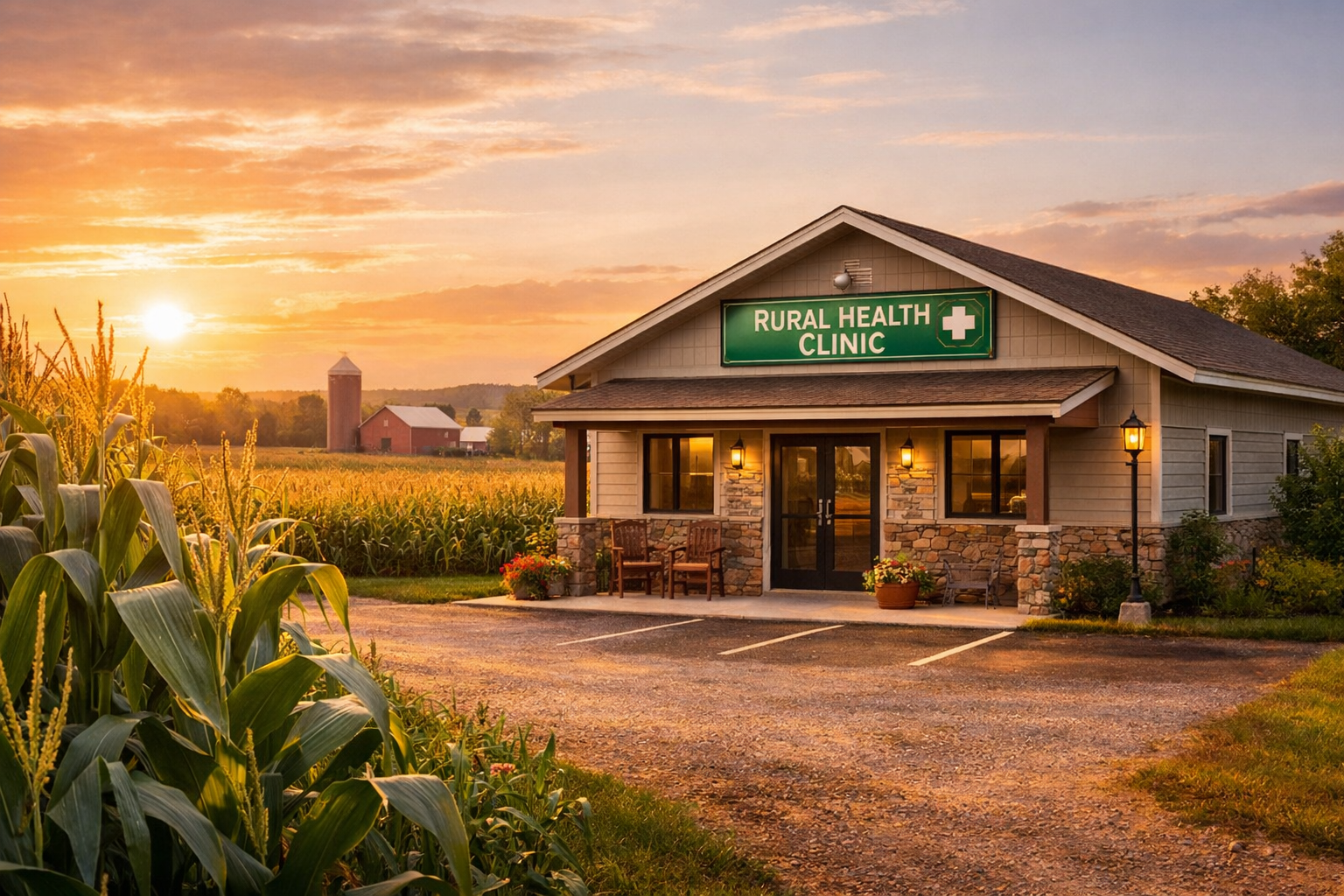
Rural Health Clinics (RHCs) are the backbone of healthcare access in America’s small towns and underserved regions. These clinics were created by Congress in 1977 to ensure that people living in rural areas could receive basic medical care close to home.
RHCs are certified by the Centers for Medicare & Medicaid Services (CMS) and must operate in designated rural or underserved areas. They rely heavily on nurse practitioners and physician assistants, who must provide at least half of the clinic’s primary care services.
Who Relies on Rural Health Clinics
Most RHCs are small, community‑based practices and often the only healthcare facility within many miles. Their services are essential for:
- Families and children who need routine primary care, immunizations, and sick visits
- Seniors managing chronic conditions like diabetes, hypertension, COPD, and heart disease
- Workers in agriculture, manufacturing, and energy who need accessible care without losing a day’s wages
- Pregnant women who may not have access to OB/GYN services nearby
- People with limited transportation who cannot travel long distances for care
- Individuals with behavioral health needs who have few or no local options
When rural communities lose clinics — or when there simply aren’t enough — the consequences can be severe:
- Delaying care becomes the norm. People wait until symptoms worsen.
- Emergency rooms fill up with preventable conditions.
- Chronic diseases spiral due to lack of monitoring and follow‑up.
- Medication access becomes inconsistent, especially for seniors.
- Preventive care drops, increasing long‑term health costs.
- Health inequities widen, especially in low‑income and aging populations.
RHCs are not just clinics — they are lifelines. Without them, entire communities lose access to basic healthcare.
What Rural Health Clinics Need
RHCs operate with limited staff, limited budgets, and limited resources. Their needs are practical, urgent, and often unmet. From the clinic’s perspective, here’s what would make the biggest difference:
1. More clinical staff
Recruiting and retaining nurse practitioners, physician assistants, RNs, and medical assistants is one of the biggest challenges. Workforce shortages are constant.
2. Diagnostic equipment
Many RHCs need updated point‑of‑care testing, basic imaging access, and reliable lab partnerships. Small clinics often operate with aging equipment.
3. Telehealth support
Telehealth is essential for rural communities, but clinics need:
- stable broadband
- affordable telehealth platforms
- training for staff
- reimbursement clarity
4. Chronic care management tools
RHCs manage high‑burden chronic disease populations. They need:
- remote monitoring devices
- diabetes and hypertension management tools
- patient education resources
- care coordination support
5. Behavioral health access
Many rural communities have no local behavioral health providers. RHCs need:
- tele‑behavioral health partnerships
- substance use treatment resources
- crisis support pathways
6. Transportation solutions
Patients often have to travel long distances to access even a rural healthcare setting. RHCs could benefit from:
- mobile clinics
- community transportation programs
- home‑based care options
7. Vendor partnerships
RHCs rely heavily on outside vendors for:
- medical coding/billing
- credentialing
- software
- staffing
- equipment
- care management
Vendors who understand rural needs can make a tremendous impact.
Free Rural Health Resources (CDC)
These resources are publicly available and can help RHCs strengthen their services, improve staff training, and support community health:
- CDC Rural Public Health Overview https://www.cdc.gov/rural-health/php/index.html
- CDC Rural Public Health Training Plan (Free CEUs) https://www.train.org/cdctrain/training_plan/8854
- CDC Rural Health Initiatives & Data
https://www.cdc.gov/rural-health(cdc.gov in Bing)
These links provide education, data, and guidance that rural clinics and rural health partners can use immediately.
Links for Information on How to Become a Certified Rural Health Professional
CRHCP Course: Fall 2023 Session Course – National Association of Rural Health Clinics
Rural Health Nurse Certification Program
Download the Rural Health Clinic Directory – $11.99
If you need a clean, verified list of Rural Health Clinics, including ownership information, you can download the full directory here:
Rural Health Clinics and Ownership
This dataset was compiled from publicly available federal and state resources, including CMS, HRSA, and CDC datasets, with additional verification from rural health programs. All data is public domain and provided for informational purposes.
To see more articles — BHealthyRN.com
This article is for educational purposes only and not medical advice. Please consult a healthcare professional for any medical concerns.
About the Author — Rhonda McElvany, RN, CRC, with over 30 years of experience in hospital inpatient, outpatient, data validation, and risk-adjustment coding, now enjoys writing about today’s healthcare issues and concerns.