



Previous Story
Herbs with Habit-Forming Potential
Posted On 03 May 2026
Comment: Off
May 3, 2026 Jane Jackson, RN, CRC BHealthyRN
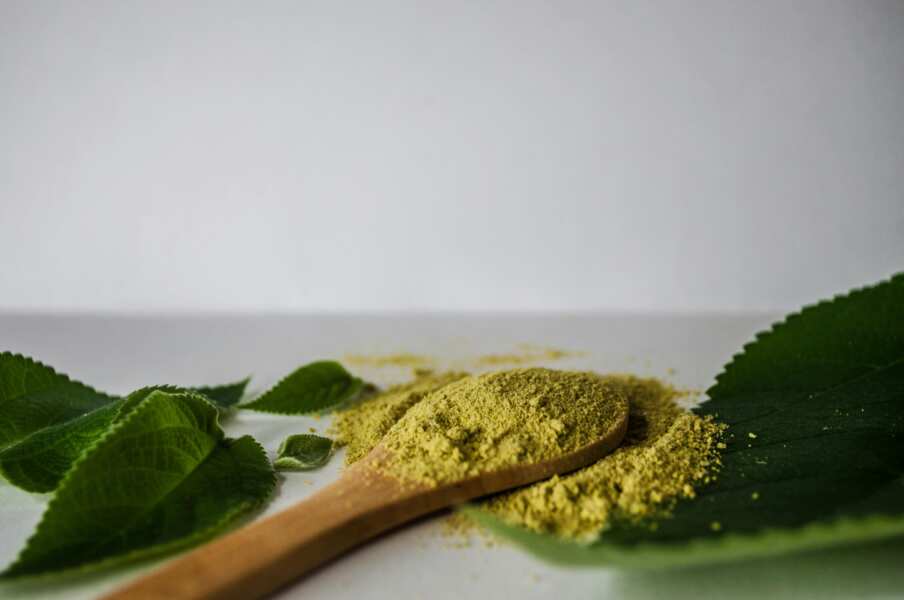
Herbals are often assumed to be safe simply because they are “natural.” While many plants are genuinely low‑risk when used appropriately, a small but important group of herbs can cause physical dependence, tolerance, and withdrawal. In some cases, their effects overlap with the same neurological systems influenced by certain prescription medications.
Understanding which herbs carry habit‑forming potential—and why—is essential for making informed choices, especially for people exploring natural approaches to wellness, stress support, or emotional balance.
Natural does not automatically mean harmless. The brain responds to a compound’s mechanism of action, dose, and frequency of use, not whether it came from a plant or a laboratory.
🧠 What Makes an Herb Habit‑Forming?
Addictive potential is not determined by legality, cultural acceptance, or whether something is plant‑based. Instead, it depends on how the compound interacts with the brain’s reward and regulation systems.
Herbs with higher dependence risk tend to influence one or more of these pathways:
- Opioid receptors — involved in pain modulation, sedation, and reward
- GABA receptors — associated with relaxation, muscle tone, and calming effects
- Dopamine and stimulant pathways — linked to alertness, motivation, and reward learning
Repeated stimulation of these systems can lead the brain to reduce its own neurotransmitter production, creating tolerance. When the substance is reduced or stopped, the nervous system may struggle to rebalance, leading to withdrawal‑like symptoms.
Not everyone who uses these herbs will develop dependence, but risk increases with daily use, higher doses, and concentrated extracts.
🌿 Kratom (Mitragyna speciosa)
Kratom is one of the most clearly habit‑forming herbal products in widespread use today. Its primary alkaloids—mitragynine and especially 7‑hydroxymitragynine (7‑OH)—interact with mu‑opioid receptors, which helps explain its reinforcing effects.
- Lower doses are often described as energizing or mood‑elevating.
- Higher doses tend to feel more sedating.
With regular use, many individuals report increasing their dose or frequency to maintain the same effects. Discontinuation may lead to symptoms such as restlessness, irritability, sleep difficulty, muscle discomfort, or cravings.
Products containing concentrated or synthetically elevated 7‑OH carry significantly higher dependence risks and behave more like potent opioid‑active compounds.
Kratom is not identical to pharmaceutical opioids, but it is opioid‑active, and that distinction is important for understanding its habit‑forming potential.
🌿 Kava (Piper methysticum)
Kava is traditionally used for its calming properties. Its active compounds, kavalactones, influence GABA‑A receptors, which are involved in relaxation and muscle tone.
Occasional use is generally well tolerated, but regular or daily use may lead to:
- reduced sensitivity to its calming effects
- psychological reliance for emotional regulation
- tension or restlessness when stopping after frequent use
Kava dependence tends to be milder than opioid‑active herbs, but tolerance and withdrawal‑like symptoms can still occur with frequent use. Kava is best approached as an occasional calming herb, not a daily coping tool.
🌿 Khat (Catha edulis)
Khat leaves contain cathinone, a stimulant structurally similar to amphetamine‑like compounds. Chewing khat may produce:
- increased alertness
- elevated confidence
- talkativeness
- reduced appetite
Because of its stimulant profile, khat can lead to psychological dependence, especially with frequent use. When discontinued, some people report fatigue, irritability, low mood, or sleep disruption.
Khat remains culturally traditional in some regions but is restricted or banned in many countries due to its stimulant effects and potential for misuse.
🌿 Betel Nut (Areca catechu)
Betel nut is one of the most widely used psychoactive plant substances globally. When chewed—often with betel leaf and lime—it can produce:
- mild euphoria
- increased alertness
- a sense of well‑being
Regular use is strongly habit‑forming. Withdrawal may involve cravings, irritability, or mood changes. Research has linked long‑term use to significant oral health risks.
Its cultural normalization can make it easy to overlook the fact that betel nut is not a low‑risk substance.
🌿 Other Substances Often Mistaken for “Herbal”
Some products are marketed as natural or supplement‑like but behave more like pharmaceutical compounds:
- Phenibut — a synthetic GABA‑B–active compound with high dependence potential
- Tianeptine — interacts with opioid pathways and carries significant misuse risks
- High‑dose loperamide — sometimes misused for opioid‑like effects and associated with serious safety concerns
These substances should not be viewed as benign or herbal simply because they appear in supplement‑adjacent spaces.
🧭 Key Takeaways
- Most herbs are not habit‑forming.
- A small group can meaningfully alter brain chemistry, especially those affecting opioid, GABA, or stimulant pathways.
- Kratom presents the clearest dependence risk among commonly used herbal products, particularly in concentrated modern formulations.
- Kava, khat, and betel nut also carry varying levels of habit‑forming potential depending on dose and frequency.
- Understanding these risks supports informed, intentional, and safer decision‑making.