


Previous Story
Ten Benefits of Ashwagandha
May 2, 2026 Jane Jackson, RN, CRC BHealthyRN
Consumers are turning to dietary supplements more than ever these days. Ashwagandha could be a good choice with all the “claims to fame” reported by its manufacturers. In April 2026, ashwagandha was searched over 673,000 times according to Wordstream.
Benefits reported are:
- Increased energy and strength
- Can act as an energizer to support overall vitality. Typically preferred to caffeine because it is not addictive and doesn’t cause insomnia. May help support physical performance and decrease body fat.
- Cognitive function enhancement
- has been studied for its potential effects on cognitive function
- Restful sleep patterns
- may improve sleep quality and sleep time. This is for both people with and without insomnia.
- Emotional well-being
- has been researched for its potential role in stress support
- Blood Sugar Management
- has been studied for its effect on metabolic health.
- Male infertility treatment
- has been researched for its potential role in male reproductive health
- Improved Immunity
- has been studied for its effect on immune function
- Anti-inflammatory
- has been studied in its role in stress-related pathways.
- Lower Cholesterol
- has been researched for its potential effects on lipid metabolism.
Ashwagandha is an evergreen shrub in Africa, India, and the Middle East. Other names include – Withania somnifera, Indian ginseng, Smell of Horse, Winter cherry, Dunal, and Solanaceae. The roots and leaves are the most used parts of the plants for making dietary supplements.
Ashwagandha has been used for thousands of years and is one of the most important and widely beneficial herbs in India’s traditional Ayurvedic and Unani medicine systems. Ashwagandha is rich in phytochemicals – naturally occurring antioxidants such as alkaloids, flavonoids, glycosides, and steroids – that mayhelp support against many diseases and their symptoms.
Results from several clinical trials suggest that ashwagandha extracts may help reduce stress and anxiety. Compared with a placebo, participants taking ashwagandha extract reported positive effects on stress, anxiety, depression, and reduced food cravings.
Another study stated participants taking ashwagandha extract saw improvements in stress levels, sleep quality, and improvements in memory and focus. Research is limited, but the results from a few clinical trials suggest that ashwagandha extracts may help with sleep. A 2021 systematic review and analysis investigating ashwagandha’s ability to promote sleep found that ashwagandha extract had an effect on improving sleep compared with placebo.
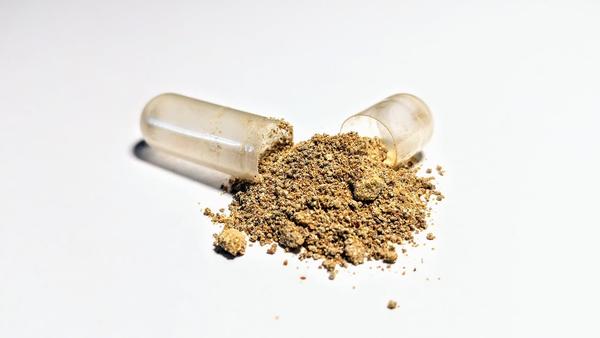
Ashwagandha is available in capsules, powder, tea, or liquid extract. The powder can be added to a smoothie or sprinkled on oatmeal. A very common choice is to brew it as hot tea. The dosing average is 600 mg daily in two doses – taken with a morning meal and an evening meal. It is unknown if ashwagandha loses its potency with daily long-term use. Still, some recommendations include taking breaks from everyday use or alternating days to prolong its effectiveness. It is essential to seek your healthcare professional’s advice and follow all product instructions.
When using the powdered, liquid, or tea versions – use caution as it is impossible to accurately measure whether the correct amount has been received or – if too much has been received. Ashwagandha appears safe but may cause mild drowsiness and sedation for some people. Others have reported rashes, abnormal thyroid levels, and digestive distress – such as nausea, diarrhea, and vomiting. Pregnant or breastfeeding women should be cautious about taking ashwagandha. Always speak to your healthcare provider first.
Ashwagandha can stimulate the immune system to become more active. This could increase auto-immune disease symptoms. For this same reason, Ashwagandha is not recommended for people who are on immune suppressant drugs.
The FDA (US Food and Drug Administration has not approved this information. These products are not approved to cure, treat, or prevent a disease. Consult with a healthcare professional before starting any dietary supplement, especially if you have medical conditions or prescribed medications. This article is for educational purposes and does not replace the advice of your healthcare professional.
This information has not been approved by the Food and Drug Administration. These products are not approved to cure, treat, or prevent a disease. Consult a healthcare professional before starting a dietary supplement, especially if you have medical conditions or prescribed medications. This article is for educational purposes and not to replace the advice of your healthcare professional.