


Previous Story
Evolution of Dietary Supplements
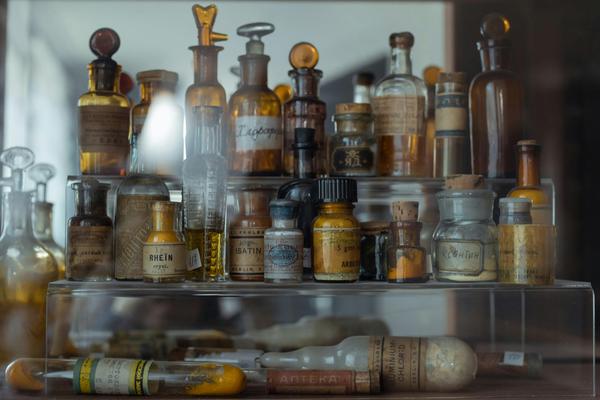
5/1/2026 Jane Jackson, RN, CRC – BHealthyRN.com
Dietary supplements have undergone a remarkable evolution throughout history. Supplements have played a pivotal role in health and wellness. Dietary supplements date back thousands of years. Ancient Chinese medicine used herbs, roots, and other substances to address ailments and improve health.
Ancient civilizations – Egyptians, Greeks, Romans – utilized natural substances, herbs, and foods for their health benefits. The plants’ potency for well-being created the groundwork for early dietary supplementation.
With the growing knowledge base of the health benefits of these natural substances – herbs, roots and some foods – traditional medicine systems began incorporating natural substances and herbal remedies to maintain health and help address ailments.
The use of dietary supplements became popular in the 19th century when vitamins and minerals were discovered. Diets with specific supplements were essential to maintain health and prevent deficiency conditions – such as scurvy (caused by a lack of Vitamin C) or rickets (caused by a lack of Vitamin D).
In the 20th century, vitamin and mineral supplements were widely available and a standard part of many everyday diets. In 1994, the Dietary Supplement Health and Education Act (DSHEA) boosted the popularity of dietary supplements. The manufacturers could now make claims on their products — if they were factual and not misleading. DSHEA established a regulatory guide for dietary supplements. It is still active today. Since 1994, dietary supplement popularity has continued to grow. There are over 25,000 dietary supplements available today.
In the late 19th and early 20th centuries, scientists isolated and synthesized nutrients. This marked significant advances in nutritional dietary supplements. Synthetic vitamins and minerals were revolutionizing the supplement industry.
As the popularity of dietary supplements grew, there were also growing concerns about safety and effectiveness. Governments began creating regulatory guidelines to ensure product standards and labelling accuracy. The FDA (Food and Drug Administration) introduced regulations to oversee the manufacturing, distribution, and marketing of dietary supplements to protect consumers.
Today, the evolution of dietary supplements continues with advances in technology and the growing market for personalized nutrition. Companies are crafting targeted supplements, catering to individual health concerns and consumer preferences.
The evolution of dietary supplements spans millennia – from ancient civilizations utilizing natural remedies to the current era of scientifically formulated products. As we venture into new areas in health and wellness, the evolution of dietary supplements persists at the convergence of science, history, and consumer interest.
Remember, while dietary supplements can complement a healthy lifestyle, consult healthcare professionals before adding them to your diet. Consumer safety is always a concern.
Note: Articles on BHealthyRN.com are to inform about medical conditions, non-prescription dietary supplements, and other health related topics. There is no guarantee of positive outcomes. Always consult your healthcare provider.
Jane Jackson, RN, CRC – 30+ year healthcare professional with experience in the hospital setting, outpatient setting, pharmacy data validation audits, and medical risk adjustment coding. Living peacefully with my best friend/husband on the Texas Gulf Coast – enjoying writing, crocheting and fishing.