



Previous Story
The Power of Herbal Supplements
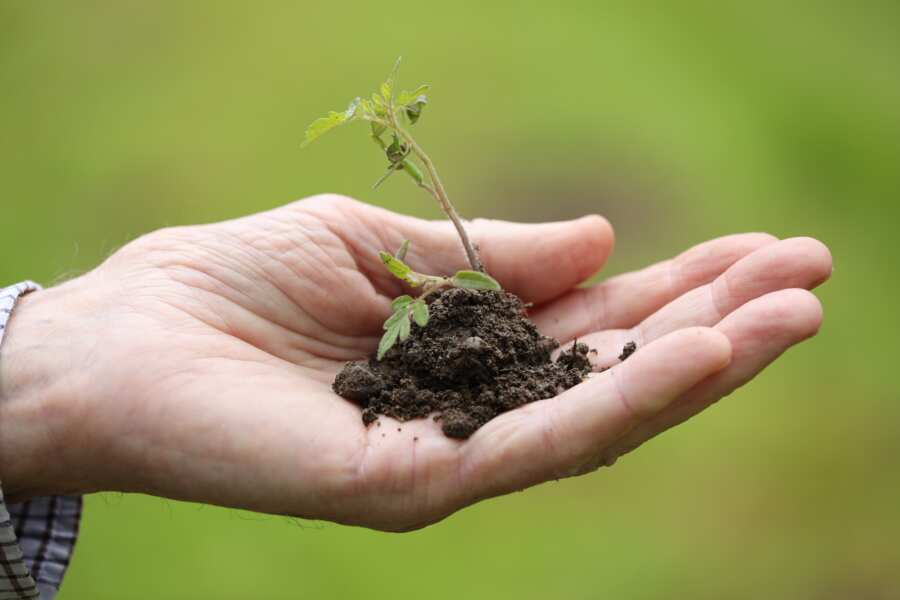
Natural Remedies – The Power of Herbal Supplements
4/27/2026 Jane Jackson, RN, CRC – BhealthyRN.com
Herbal supplements have been traditionally used in many cultures for general wellness. Herbal recipes have been passed from generation to generation as an alternative to conventional treatments The Chinese, Egyptians, and Greeks have a history of using herbals dating back thousands of years. In the 19th and 20th centuries, the use of herbal supplements continued to grow in popularity. During this time, herbal supplements were used mainly for digestive disorders, skin conditions, and respiratory issues.
Recently, there has been a resurgence of interest in herbal supplements. People are seeking natural and sustainable ways to support their health while addressing concerns about the side effects of pharmaceutical drugs and the environmental impact of synthetic ingredients. Many are turning to herbal supplements as a gentle, eco-friendly complement to their existing health care regimen hoping to improve their overall wellness.
There are many different types of herbal supplements available to consumers today. One common type of herbal supplement is a botanical extract. The active compound is collected from the herb or plant and processed into various forms such as capsules, tinctures, liquids, or powders. Botanical extracts can affect the body by supporting immune function, supporting a healthy inflammatory response, and promoting relaxation. Another popular type of herbal supplement is essential oil extracts. These oils can be inhaled, applied topically, or ingested with the expected result of improved relaxation and mood or even to address headache or digestive discomfort.
Herbal teas are a common type of herbal supplement. These teas are made by infusing dried herbs or plants in hot water. Herbal teas can have many benefits from calming the mind and body to support ADHD to improving digestive issues. Some herbal teas are marketed for relaxation, digestive discomfort, or general wellness.
Herbal supplements are sometimes beneficial in supporting emotional well-being and relaxation. This makes them a valuable tool in the management of stress, anxiety and depression. For example – St. John’s Wort has been traditionally used for mood support. Valerian Root is commonly used for relaxation and sleep support.
In addition to these common uses, many herbs contain vitamins, minerals, and nutrients to help fill nutritional gaps and to support the body’s natural functions.
- Spirulina is often used as a natural source of protein, vitamins, and antioxidants.
- Turmeric is known for its potential anti-inflammatory and antioxidant properties.
Here are the 10 most common herbal supplements and expected benefit of taking them
- Ginseng – boosts energy levels, improves mental clarity, enhances the immune system, and reduces stress
- Turmeric – anti-inflammatory and antioxidant properties
- Echinacea – traditionally used for seasonal immune support.
- Garlic – commonly used in traditional wellness practices for cardiovascular support.
- Ginko Biloba – improves memory, sharpens cognitive function, enhances blood circulation, and reduces inflammation
- Milk Thistle – promotes liver health and supports hepatic detoxification processes
- Valerian Root – promotes relaxation, reduces anxiety, improves sleep, and calms the nervous system
- John’s Wort – reduces depression and anxiety, improves mood, and helps alleviate various symptoms of mental health conditions
- Saw Palmetto – promotes prostate health, reduces symptoms of an enlarged prostate, and improves urinary function
- Ashwagandha – reduces stress and anxiety, boosts energy levels, and improves overall well-being.
These products are not approved to cure, treat or prevent diseases. Please consult your healthcare professional before starting a new dietary supplement. It is important to be aware of the potential risk and side effects associated with the use of any herbal supplement.
- Interactions with other medications – the potential for drug interaction between the herbal and prescribed medications
- Allergic reaction – it is possible to be allergic to certain herbs. Allergic reactions to herbs can range from mild skin irritation to severe anaphylaxis. If you have a known allergy to certain plants or have experienced an allergic reaction, it is essential to exercise caution when trying a new herbal product
- Product Quality and Safety – this can vary greatly depending on the manufacturer – some supplements may contain contaminants or toxic substances posing a serious health risk. Purchase products from reputable manufacturers – look for certifications from either Good Manufacturing Practice (GMP) or the United States Pharmacopeia (USP).
- Doses and Concentration – herbal supplements do not have a standardized dose. The concentration of active ingredients may vary widely from one manufacturer to another. Follow the product label or consult a healthcare professional to determine the proper dosage for your needs.
- Long-term effects – some herbal supplements may have cumulative effects on the body. Monitor your health through your healthcare professional.
Using herbal supplements as natural remedies can be powerful in supporting your overall health. Please consult a healthcare professional before incorporating herbal supplements into your wellness routine. Your health and safety are the priority. These products are not intended to cure or prevent disease.
Note: Articles on BHealthyRN.com are to inform about medical conditions, non-prescription dietary supplements, and other health-related topics. There is no guarantee of positive outcomes. Always consult your healthcare provider.
Jane Jackson, RN, CRC – 30+ year healthcare professional with experience in the hospital setting, outpatient setting, pharmacy data validation audits, and medical risk adjustment coding. Living peacefully with my best friend/husband on the Texas Gulf Coast – enjoying writing, crocheting, and fishing.