



Previous Story
Smoke Shop Products: Benefits and Risks
Posted On 05 Jul 2026
Comment: Off
 7/5/2026 Rhonda McElvany, RN, CRC BHealthyRN
Why I Wrote Smoke Shop Products: Benefits and Risks
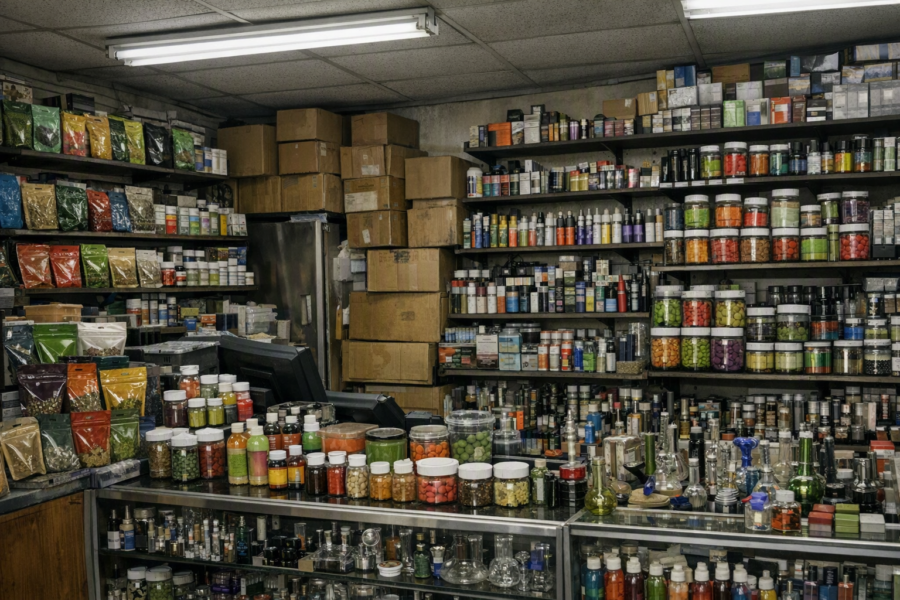
A few months ago, I walked into a smoke shop out of curiosity.
I had driven past places like it many times, but I had never really stopped to look closely at what was being sold. Inside, the shelves were filled with products labeled as herbal relaxers, natural mood boosters, energy enhancers, kratom shots, kava blends, phenibut powders, and other wellness-sounding items. The packaging looked polished. The language sounded reassuring. Many of the products were framed around benefits people genuinely want: better sleep, less stress, more energy, improved mood, pain relief, focus, calm, or social ease.
As a registered nurse, that raised questions for me.
The clerk was friendly and knowledgeable about the products from a sales perspective. She could explain expected benefits, flavors, prices, and what people seemed to like. But what was missing was the other side of the conversation: risks, interactions, dependence, withdrawal, product variability, and what can happen when something that feels helpful starts becoming harder to stop.
That gap is why I wrote Smoke Shop Products: Benefits and Risks.
These Products Are Easy to Overlook
One of the most important things to understand is that many of these products do not look alarming on the shelf. They are often sold in familiar places: smoke shops, vape stores, gas stations, convenience stores, nutrition shops, and online marketplaces.
That matters.
When something is sold openly, packaged neatly, and described with words like “natural,” “herbal,” “calm,” “focus,” or “mood support,” many people assume it must be relatively safe. They may not realize that some of these products can affect the brain and body in powerful ways.
The concern is not that every person who uses a smoke shop product will have a problem. Many people may use certain products without obvious difficulty. The concern begins when the risks are poorly understood, the product is stronger than expected, the person starts using more often, or the product interacts with other medications, alcohol, or health conditions.
What the Book Covers
Smoke Shop Products: Benefits and Risks is a plain-language guide for readers, families, and anyone who wants to better understand this growing marketplace.
The book looks at products such as:
- kratom and concentrated 7-OH products,
- tianeptine,
- phenibut,
- kava,
- khat,
- blue lotus
It explains why these products can feel so familiar, why people reach for them, what makes them appealing, and where the risks may begin to matter. It also covers side effects, interactions, dependence, withdrawal, relapse, conversations with healthcare professionals, and how families can support a loved one without shame or enabling.
Why This Matters Now
The broader supplement and wellness marketplace is measured in the tens of billions of dollars. Herbal products, kratom-related products, mood products, energy products, sleep products, and “natural” alternatives are part of a fast-moving consumer market.
But public understanding has not kept pace with availability.
A person may be able to buy a product quickly, repeatedly, and without a prescription or medical conversation. That ease of access can make the product feel ordinary. But ordinary access does not always mean ordinary risk.
Some products may cause sedation, agitation, withdrawal, tolerance, interactions, or dependence. Others may be concentrated, mislabeled, adulterated, or much stronger than the consumer realizes. In some cases, people do not ask for help until a situation has already become serious.
My hope is that better information can help people ask better questions earlier.
This Is Not About Shame
One thing I wanted to be very careful about while writing this book was tone.
People usually reach for these products because they are trying to meet a real need. They may be dealing with pain, poor sleep, anxiety, depression, low energy, social discomfort, stress, grief, withdrawal, or simply the exhaustion of daily life.
That deserves compassion.
At the same time, compassion should not mean ignoring risk. A product can be legal and still be harmful. It can be natural and still interact with medications. It can be sold openly and still cause dependence. It can help at first and still become a problem later.
The goal of the book is not to frighten people or tell every adult what they should or should not do. The goal is to give readers clearer language, practical safety information, and a better understanding of when something no longer feels casual or harmless.
Who This Book Is For
This book may be helpful if:
- you use smoke shop or wellness-style products and want to understand the risks more clearly,
- someone you love is using them and you are not sure whether to worry,
- you are a parent, spouse, friend, or family member trying to start a difficult conversation,
- you work in healthcare, education, recovery, or community support,
- or you simply want to understand what is being sold in plain sight.
It is written in everyday language, with the goal of being useful rather than overwhelming.
A Final Thought
Smoke shop products can look ordinary. They can sound gentle. They can be marketed as herbal, natural, calming, energizing, or supportive. But some of them carry risks that are not obvious from the label, the packaging, or the sales conversation.
Information matters.
Compassion matters.
Safety matters.
That is why I wrote Smoke Shop Products: Benefits and Risks.
If this is a topic that affects you, your family, or someone you care about, I hope the book helps you feel better informed and less alone.
This article is for educational purposes only and not medical advice. Please consult a healthcare professional for any medical concerns.
About the Author – Rhonda McElvany, RN, CRC, is an RN, healthcare educator, and owner of BHealthyRN.com. With over 30 years of experience in hospital inpatient, outpatient, data validation, and risk‑adjustment coding, she now enjoys writing about today’s healthcare issues and concerns.