



Previous Story
Lyme Disease – What You Need to Know
Posted On 12 May 2026
Comment: Off
Lyme Disease – What You Need to Know
 May 12, 2026 Jane Jackson, RN, CRC BHealthyRN
Do you enjoy spending time outdoors? If so, it is helpful to understand Lyme disease, a tick-borne illness caused by the bacterium Borrelia burgdorferi. People may be exposed during outdoor activities in wooded, brushy, or grassy areas where ticks live.
What Is Lyme Disease?
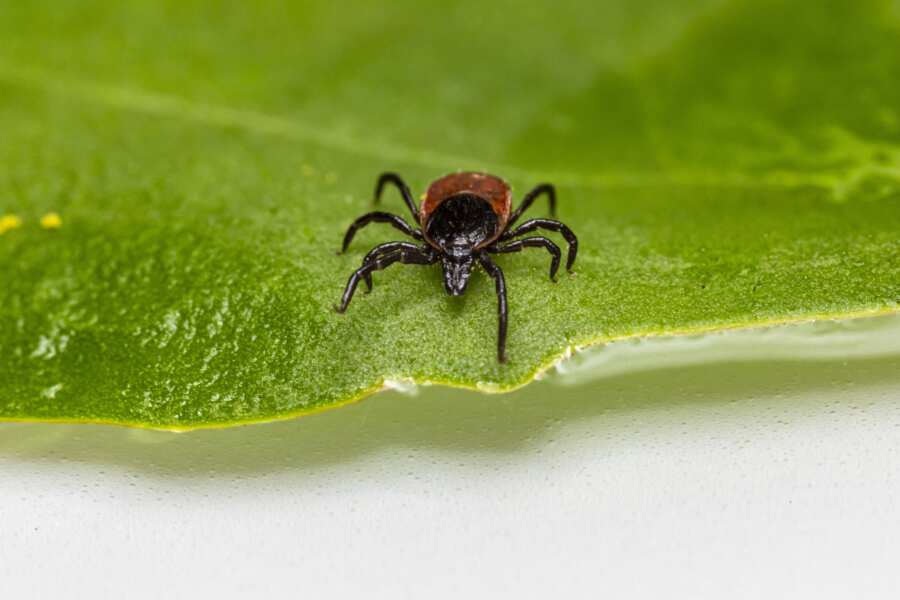
Lyme disease is a bacterial infection spread by the black-legged tick, also known as the deer tick. These small ticks are commonly found in wooded and grassy areas, where they can attach to people or animals as they pass by. If a tick carries the bacteria, a bite can transmit the infection.
Lyme Disease Statistics
The Centers for Disease Control and Prevention (CDC) estimates that Lyme disease affects many people in the United States each year. Reported case counts may not reflect the full number of infections because underreporting and missed diagnoses can occur. Cases are reported more often during warmer months, when people are more likely to spend time outdoors and encounter ticks.
Lyme disease remains an important public health concern. Taking steps to prevent tick bites and seeking medical attention for possible symptoms can help reduce the risk of complications.
Symptoms of Lyme Disease
Symptoms can vary and may appear days to weeks after a tick bite. Early evaluation by a healthcare professional is important.
- Rash, which may appear within days to weeks after a tick bite
- Flu-like symptoms such as fatigue, body aches, or fever
- Swollen lymph nodes
- Numbness or tingling in the hands or feet
- Memory or speech difficulties
- Joint pain and swelling, especially in the knees
- Heart palpitations, chest pain, or shortness of breath
If you think you may have Lyme disease, contact a healthcare professional promptly. Early treatment may help lower the risk of more serious complications.
Prevention and What to Do After a Tick Bite
Not every tick bite causes Lyme disease, but prompt action matters. Prevention steps such as avoiding tick-prone areas, using EPA-registered insect repellent, and checking yourself carefully after time outdoors can help reduce risk. If you find an attached tick, remove it as soon as possible.
- Check your body, clothing, gear, and pets for ticks after spending time outdoors.
- Shower soon after coming indoors to help wash off unattached ticks.
- If you find an attached tick, use clean, fine-tipped tweezers to grasp it as close to the skin as possible and pull upward with steady, even pressure.
- Clean the bite area and your hands afterward with soap and water, rubbing alcohol, or hand sanitizer.
- Do not use petroleum jelly, heat, nail polish, or other home remedies to try to detach a tick.
- Watch for rash, fever, fatigue, headache, muscle aches, joint pain in the days or weeks after a bite
- Contact a healthcare professional if symptoms develop.
The Lyme disease rash does not always look like a classic bull’s-eye, and some people do not notice a rash at all. Risk can also depend on where the exposure happened, since Lyme disease is more common in some parts of the United States than others.
Treatment and Supportive Care
Treatment for Lyme disease should be guided by a licensed healthcare professional. Antibiotics are commonly used for confirmed cases. Some people also ask about supplements or other supportive approaches, but these should not replace medical care.
Some supplements and herbal products are sometimes discussed for general wellness or symptom support. However, evidence for their use in Lyme disease is limited, and safety can vary depending on the product, dose, and a person’s medical history.
People with Lyme disease may have questions about nutrition or supplementation. A healthcare professional can help determine whether any supplements are appropriate based on individual needs, medications, and medical conditions.
Important note: Supplements and herbal products are not established treatments for Lyme disease and should not replace medical evaluation, diagnosis, or treatment. To help protect yourself from tick bites, use insect repellent, wear protective clothing, and check for ticks after spending time outdoors.
Consult a healthcare professional before adding supplements to your routine, especially if you take prescription medications, are pregnant, or have other medical conditions.
This article is for educational purposes only and is not a substitute for professional medical advice, diagnosis, or treatment. Dietary supplements are not approved to diagnose, treat, cure, or prevent disease. Always consult a qualified healthcare professional with questions about your health.
Note: Articles on BHealthyRN.com are intended to provide general educational information about health topics and non-prescription products. Individual outcomes may vary, and readers should consult a healthcare professional for personal medical advice.
Rhonda McElvany, RN, CRC, is a healthcare professional with more than 30 years of experience in hospital and outpatient settings, pharmacy data validation audits, and medical risk adjustment coding. She lives on the Texas Gulf Coast with her husband and enjoys writing, crocheting, and fishing.